Defining Customers and Suppliers
Almost every sales or purchase invoice needs a counterparty, so the customer or supplier card comes right after defining the materials and warehouses.
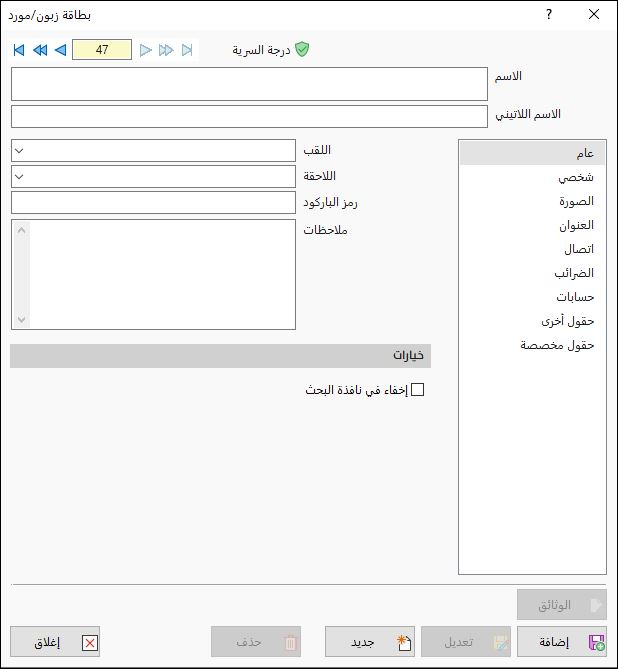
This card holds the data of the party that will appear later in invoices, receivables and payables, and reports.
What Should You Fill In First?
- The name.
- The address, if you need it on invoices.
- The basic contact details.
- The customer or supplier account, or the rule for creating it automatically.
- The payment terms, if they differ from the general settings.
When Is the Name Alone Enough?
The name is enough for the first run when the operation is simple, but it is best to add at least the account and a contact method, so that you do not have to go back to the card with every invoice or report.
Watch the Relation Between the Card and the Invoice Forms
Some values in the card do not take effect on their own unless the invoice forms allow them, such as:
- The customer card price.
- The card's own payment terms.
If you ignore this link, you may think the card has no effect, when the problem is in the properties of the form being used.
A Practical Note
If you are moving from a previous system, start by defining only the most important active customers and suppliers, then complete the rest when needed or while entering the actual transactions.